← All servicesWasher & Dryer Removal
Washer & Dryer Removal
in Chesapeake
Laundry appliances often sit in tight alcoves with short hoses, rigid vents, or stacked configurations. The safest plan starts after every utility connection is off and the machines are empty, dry, and ready to move.
Discuss the pickup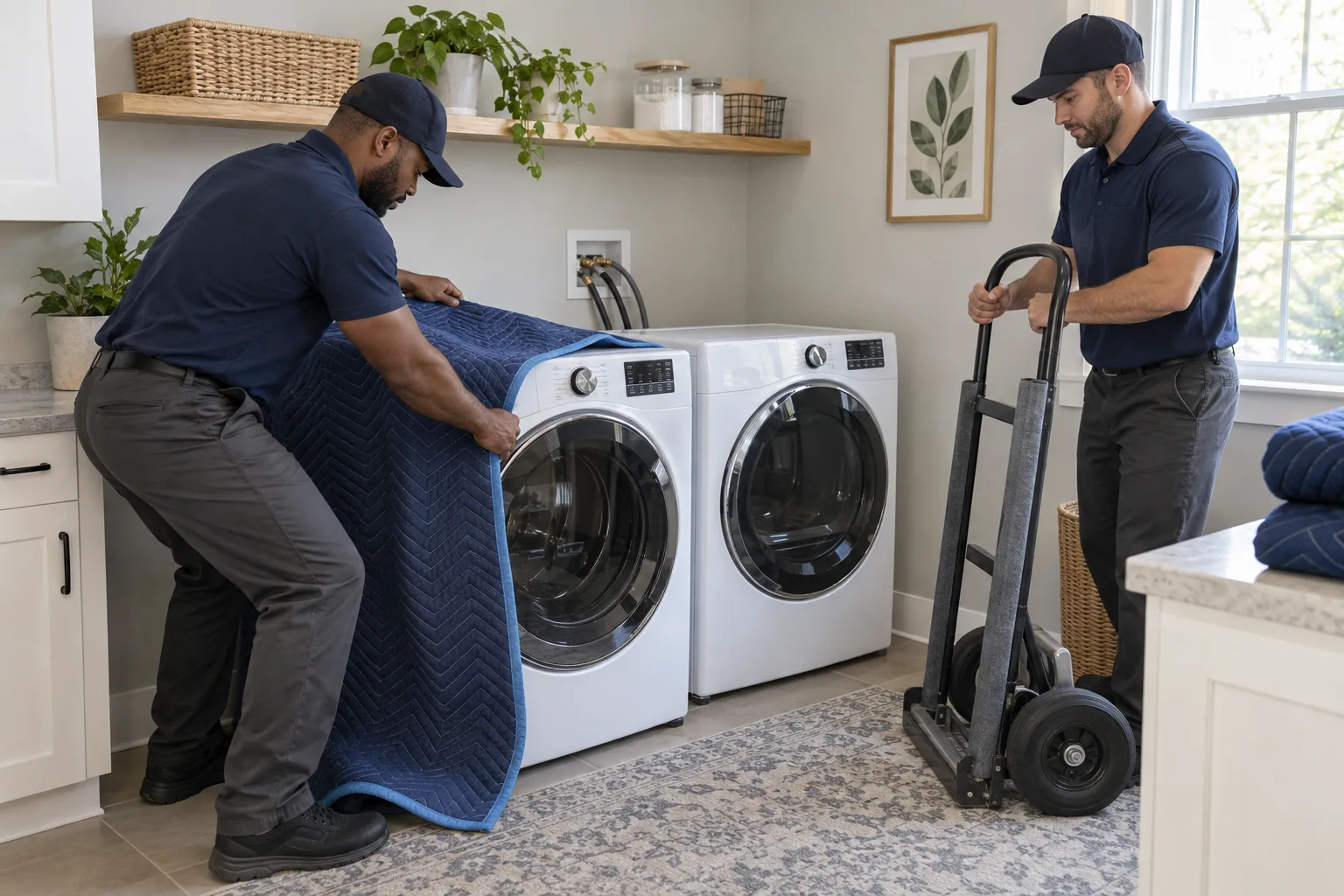 Plan: washer & dryer removal
Common scope
- Top-load and front-load washers
- Electric dryers
- Disconnected gas dryers
- Stacked laundry units
- Laundry pedestals
Prepare the item and route
- 1Shut off and disconnect water lines through a qualified person when needed.
- 2Drain remaining washer water and secure loose hoses.
- 3Disconnect the dryer vent and power or gas connection appropriately.
- 4Empty pedestals and clear shelving from the route.
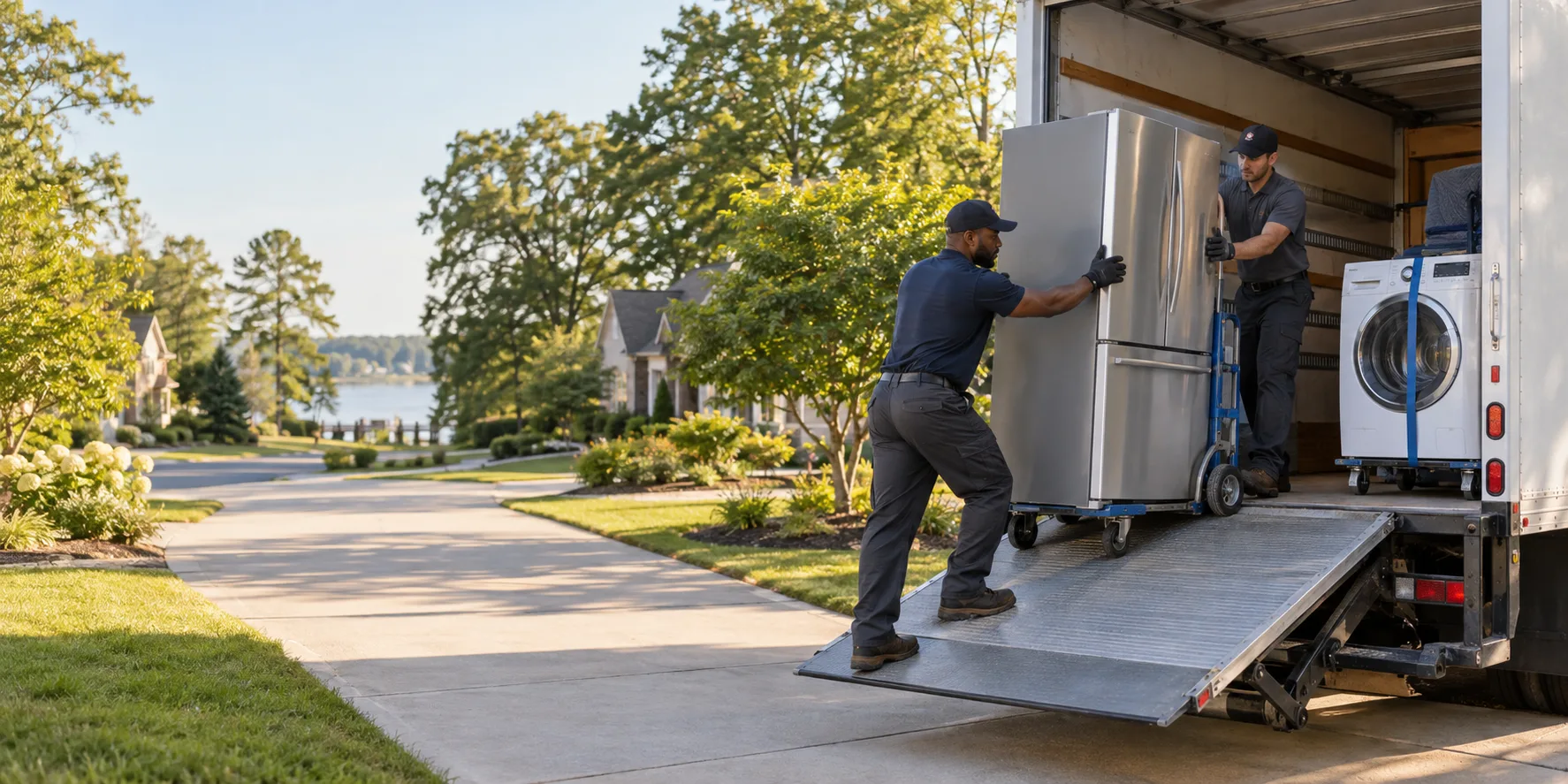
What can affect the estimate
A useful estimate starts with specifics. Mention these details during the first call.
- Separate, paired, or stacked configuration
- Residual water
- Gas versus electric setup
- Closet and doorway clearance
- Stairs and floor protection
Washer & Dryer Removal questions
Clear answers before you choose a route and timing.
Can a washer and dryer be removed together?
Yes, but describe whether they are side by side, stacked, or installed under a counter.
What if the washer still has water in it?
Tell the scheduler. A wet machine is heavier and can leak along the route.
Who disconnects a gas dryer?
Arrange qualified gas disconnection before removal. A hauling crew should not be assumed to perform gas work.
Other appliance services
 Appliance RemovalOne clear plan for removing one appliance or a mixed household load.↗
 Refrigerator RemovalPlan the path, empty the cabinet, and account for refrigerant-safe disposal.↗Washer & Dryer RemovalPrepare hoses, vents, power, and the laundry-room exit before the carry begins.↗
 Stove & Oven RemovalRemove a range after the fuel or electrical connection is made safe.↗
Map the route before removal day.
Call with the appliance type, its location, disconnection status, stairs, and the narrowest point on the route.